Dungeons & Dragons' Fandom
Dungeons and Dragons is a table top roll playing game (TTRPG) designed in the early to mid 70's by game designer Ernest Gary Gygax (Encyclopædia Britannica). It's a game comprised of simple rules that lay out the mechanics for combat and role playing as a character in the game, where the outcome of a given endeavor is decided by a certain type and number of dice. Each dice piece is named after the amount of sides it has with a standard set including a d4, d6, d8, two d10's (one of which is notated in multiples of ten), and a d20. As of today, the game has had 5 major updates, with the 5th Edition being the current up to date rule set that the publishers, Wizards of the Coast, have available. The rules are given in a number of books, the core rule books being comprised of the Dungeons Master's Guide, the Players Hand Book, and the Monster Manual. The game is kept fresh and exciting with books that are published by Wizards of the Coast to expand the core rules and storylines that give the main setting of the game, the Forgotten Realms, more to explore.
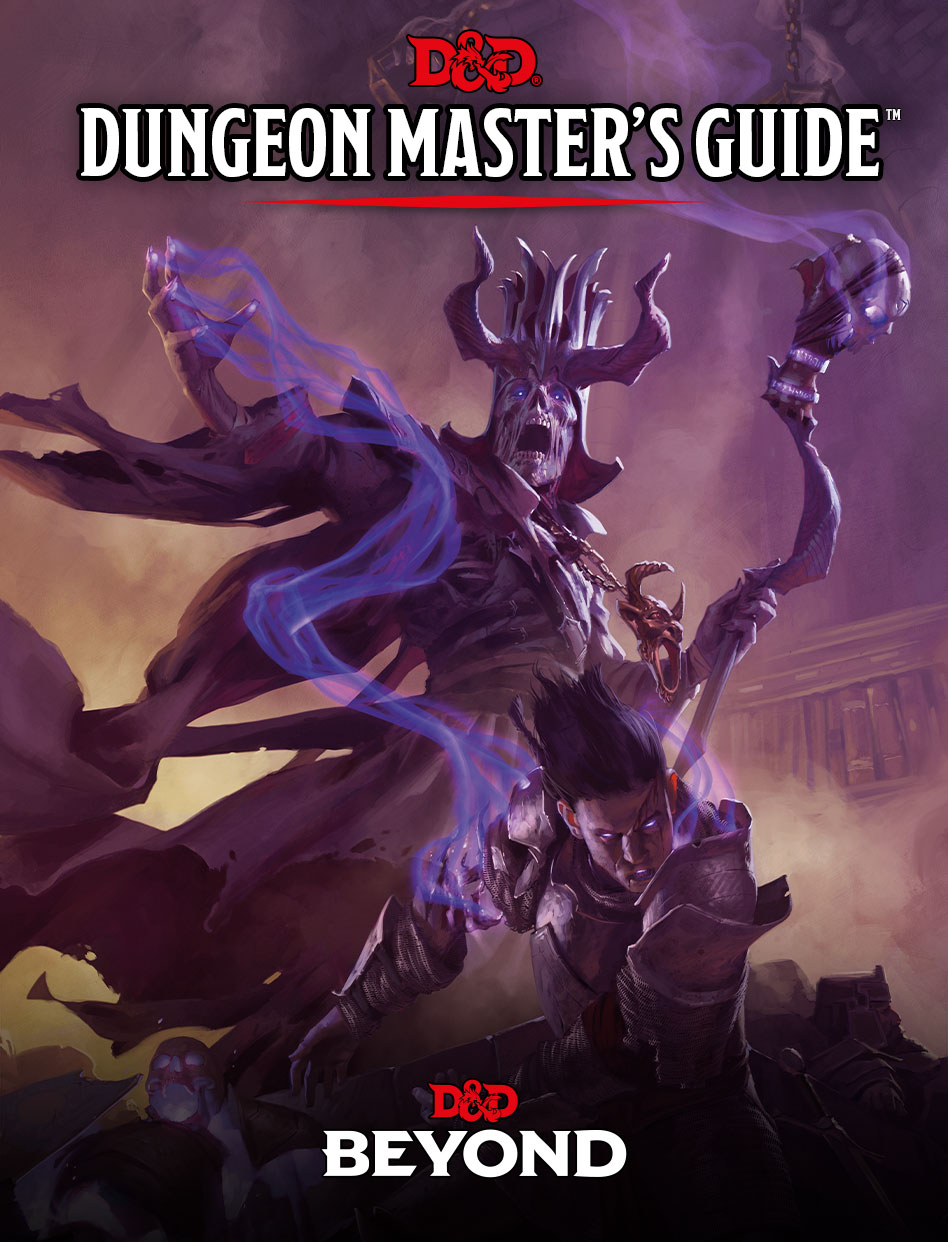
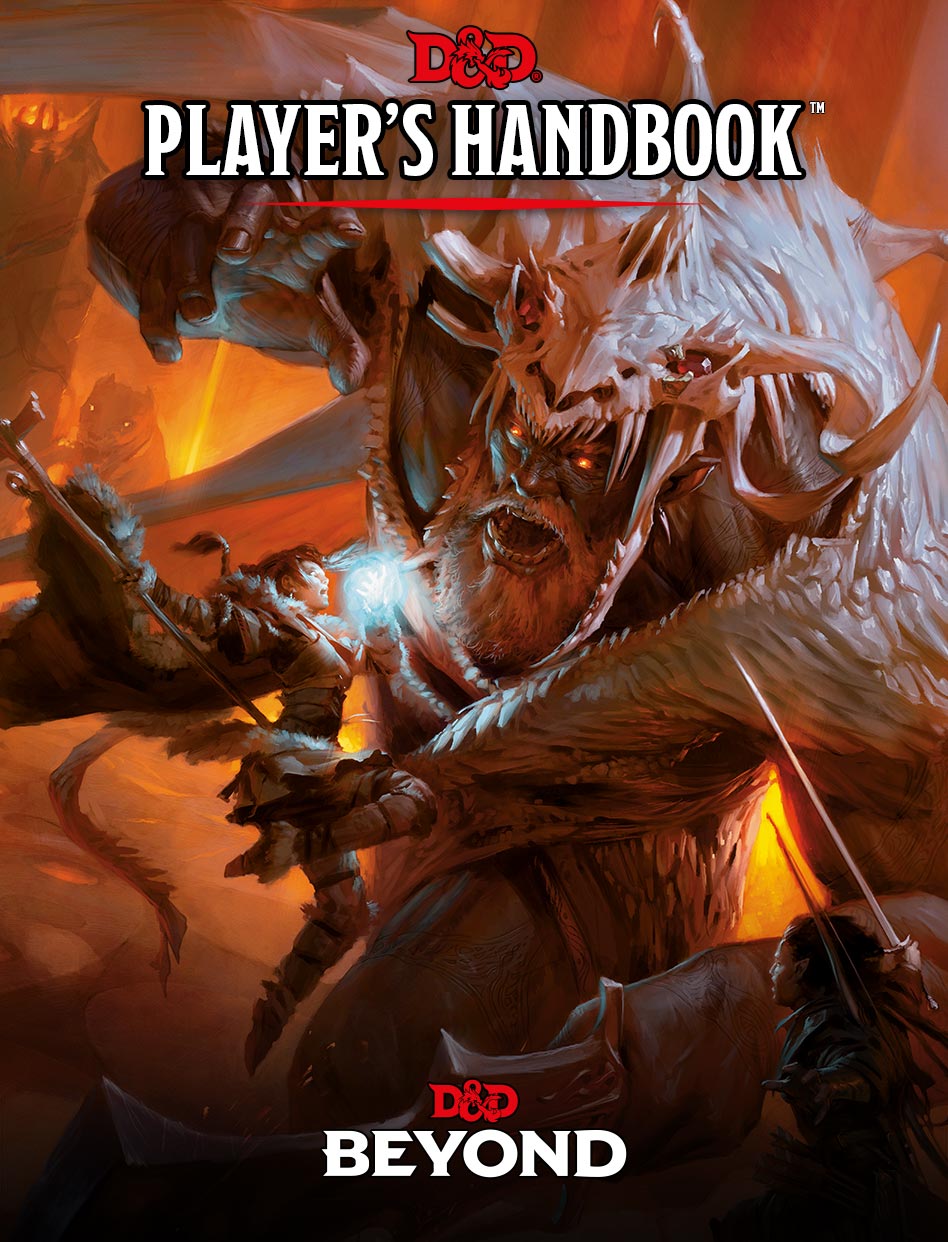
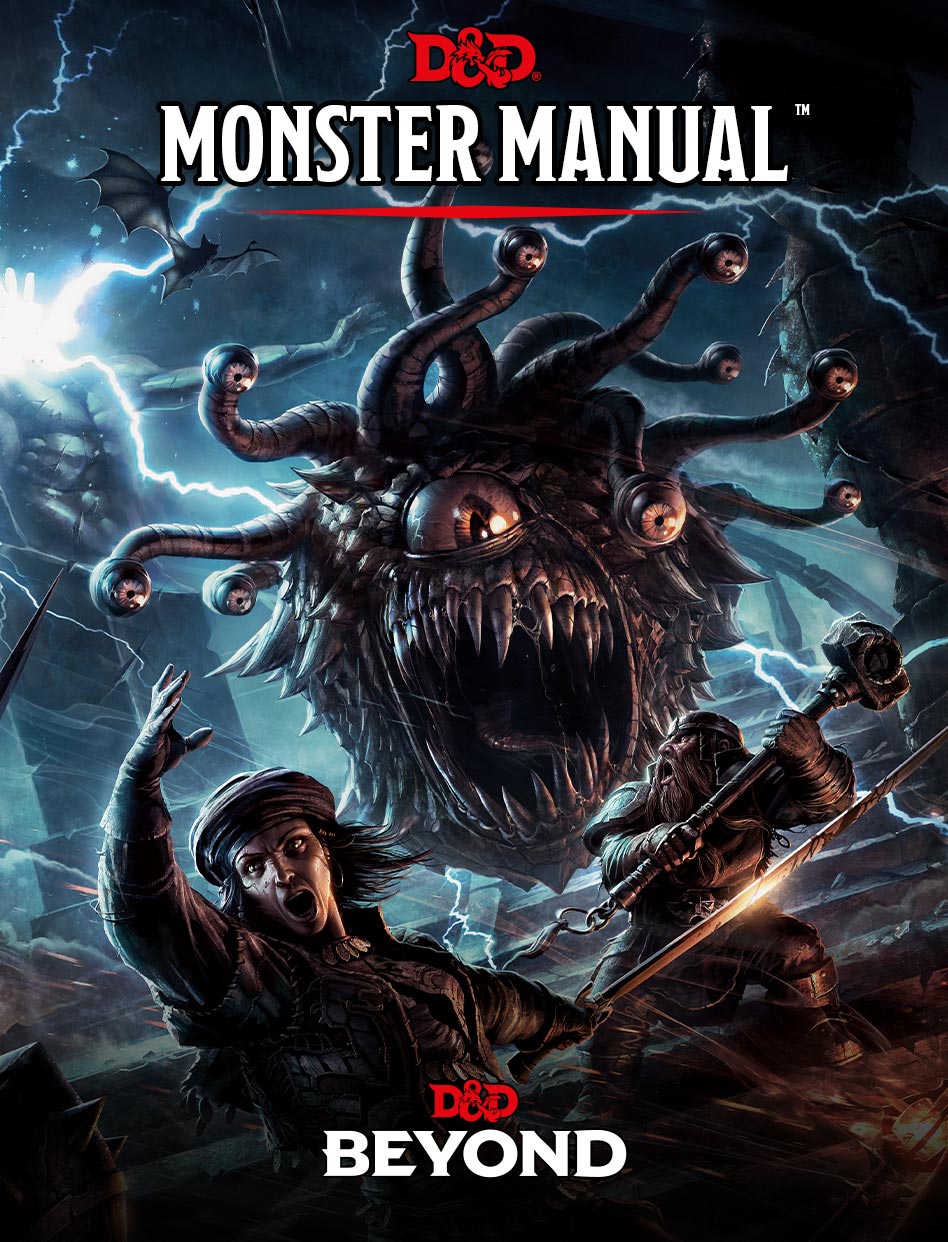
Dungeon Master's Guide, Player's Handbook, and Monster Manual.
https://www.dndbeyond.com/sources#Sourcebooks
Dungeons and Dragons (D&D) has been dubbed, quite simply, the world's greatest role playing game and it's in no little part due to the community that the game has created in the almost 50 years that it's been around. Understanding the community at large and how they contribute to the game relies on how the game itself is played. What makes the D&D formula unique is the ability for the dungeon master, the player that acts as a referee in the game, to manipulate the rules on the fly. The malleability of the rules allow for a whole section of D&D that the community directly influences known as homebrew content. Homebrew is a term used to describe a change to the game made by players instead of official sources from the Wizards of the Coast. This can range anywhere from new items, to new spells for the magic system in the game, to stories and adventures, and to core rules in the game. D&D is fundamentally a framework for players to piggyback off of and use to communicate in-game action, and as such, any and every aspect of it can be changed.
Homebrew
 |
| @critical_role on Instagram |
Online Support
Not only do content creators assist in helping new players get into a game, there exists websites like roll20.net and dndbeyond.com that help facilitate the setting up and the playthrough of a game. Roll20 is a site dedicated to hosting sources for the game, both homebrew and official, and it gives the players something called a battle map that is then used to visualize things like settings, monsters, and battle scenarios. DndBeyond is a site dedicated strictly to the managing of resources for a player. It gives the option to create new character sheets for players, and it hosts every official source book and a massive library of homebrew content. Neither of these websites were the result of the Wizards of the Coast, instead, these are tools created by fans with the purpose of having others in the community use them to stream line their games.
By Fans, For Fans
 |
| @wyrmwoodgaming on Instagram |
In its totality, Dungeons and Dragons has the one of the biggest community of people all due to it's ability to conform to anyone's expectation at any time. It's already wide reach is extended even further by those within the community who have built their lives around creating content or products for fellow players to use, and facilitating in the ease of access to the game via access to and explanation of source materials.
Sources:
“Dungeons & Dragons.” Encyclopædia Britannica, Encyclopædia Britannica, Inc., https://www.britannica.com/topic/Dungeons-and-Dragons.


Comments
Post a Comment